
Understanding lash curl is fundamental to achieving beautiful, eye-opening results whether you're a professional lash technician or someone looking to enhance their natural lashes. The right curl can transform the entire appearance of the eyes, creating everything from subtle enhancement to dramatic glamour. From the various curl types available for extensions to the techniques used for lifting natural lashes, mastering lash curl knowledge ensures optimal outcomes that complement individual eye shapes and personal preferences. This comprehensive guide explores the science, artistry, and practical application of lash curl in the modern beauty industry.
Understanding Lash Curl Types and Classifications
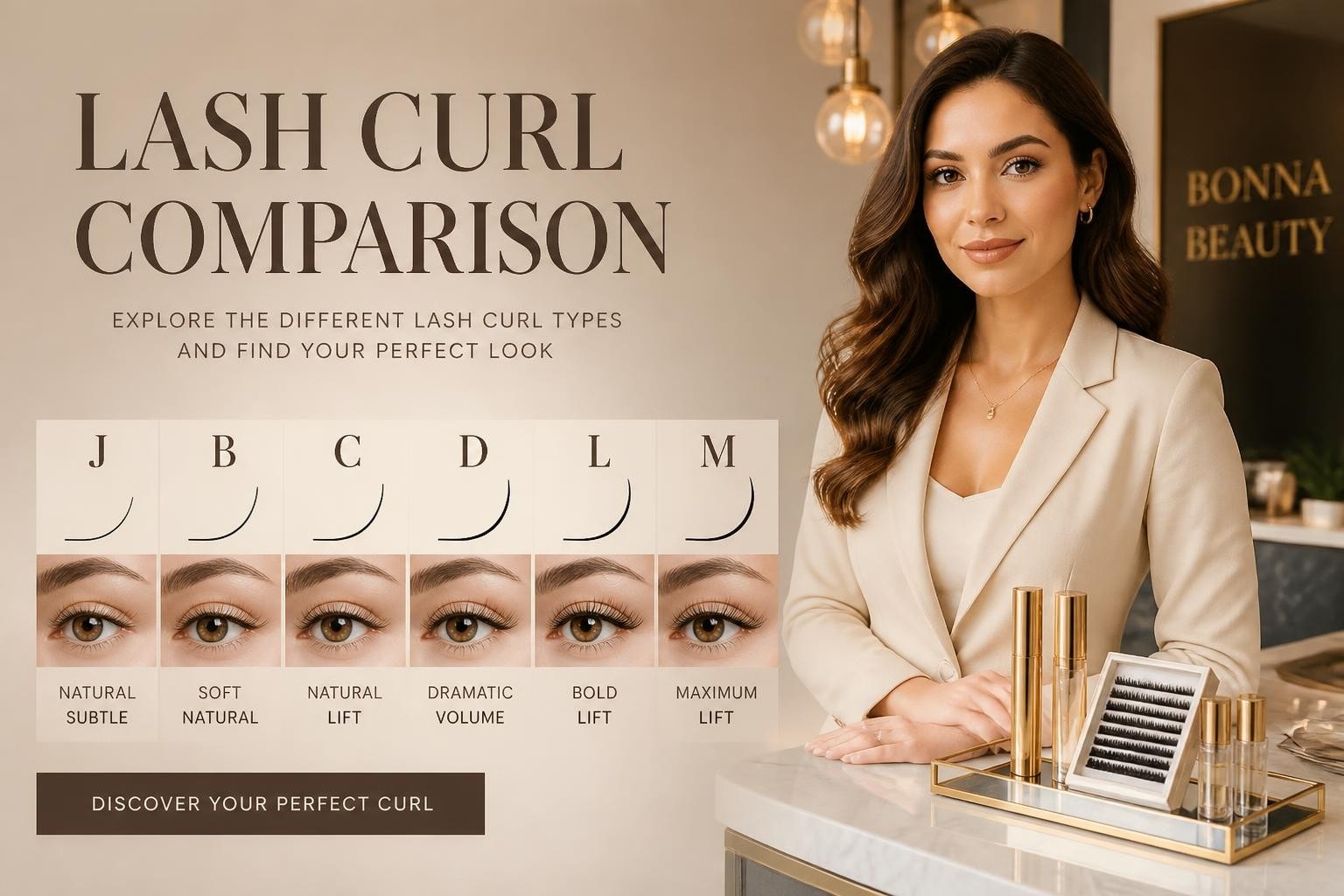
The lash extension and lift industry has developed a standardized system for categorizing lash curl types, each designated by a letter that represents the degree of curvature. J curl offers the most natural, minimal lift with only a slight bend at the tip, making it ideal for clients who want subtle enhancement or have naturally upturned lashes. B curl provides slightly more curvature than J, creating a gentle lift that maintains a natural appearance while opening the eye moderately.
C curl remains the most popular choice across Sydney suburbs from Bondi to Parramatta, offering noticeable lift without appearing overly dramatic. This versatile curl works beautifully for most eye shapes and creates that classic curled lash look clients frequently request. D curl delivers significant drama with pronounced curvature, perfect for special occasions or clients who desire bold, glamorous lashes that truly stand out.
Specialized Curl Variations
Beyond the standard classifications, specialized curls address specific needs and eye shapes. The various eyelash curl types include L curl and L+ curl, which feature a flat base with a dramatic upward angle, specifically designed for hooded eyes or monolids common among diverse Australian communities. M curl combines characteristics of both L and C curls, offering versatility for challenging eye shapes.
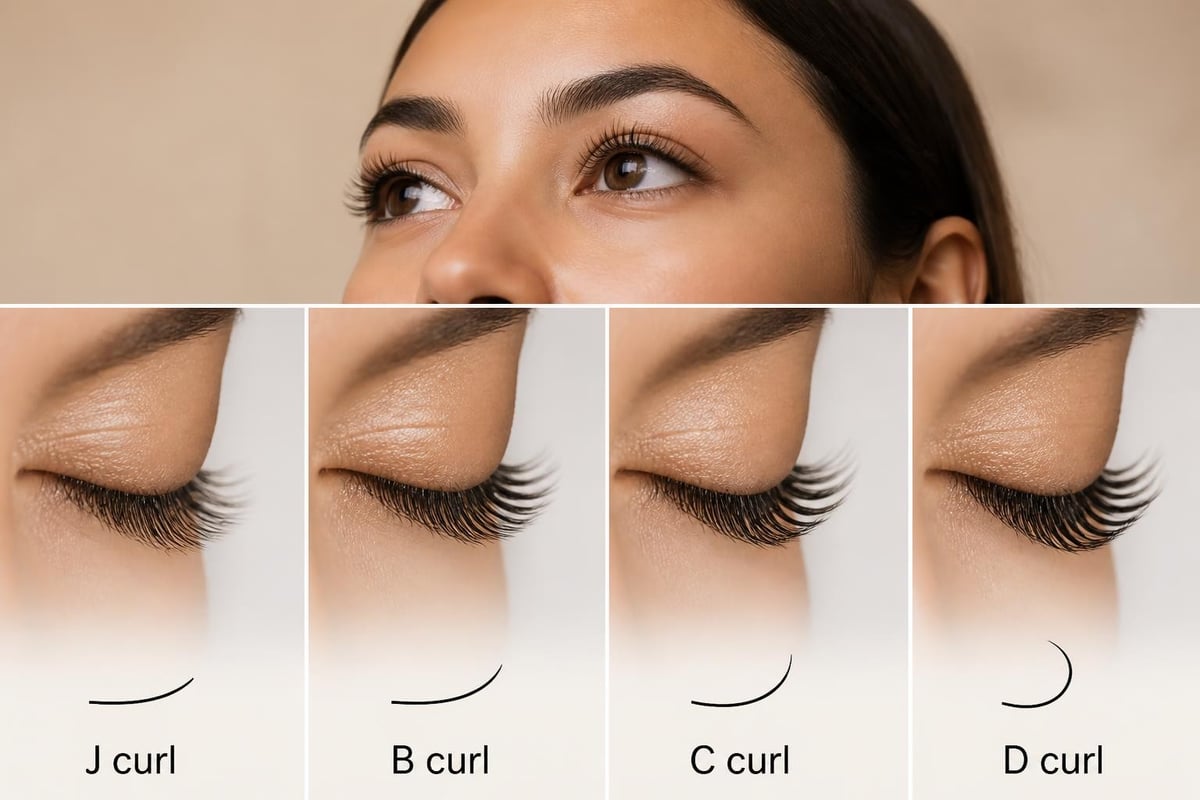
These specialized variations enable technicians to customize treatments precisely, ensuring clients throughout Sydney's Inner West, Eastern Suburbs, and North Shore receive results that enhance their unique features. CC curl and DD curl represent even more dramatic options, though they require careful application to avoid an unnatural appearance.
Selecting the Appropriate Lash Curl for Different Eye Shapes
Matching lash curl to eye shape represents one of the most critical skills in professional lash artistry. For almond-shaped eyes, which are proportionally balanced, C curl typically provides beautiful enhancement without overwhelming the natural eye structure. These eyes can accommodate most curl types, allowing for personalized customization based on client preference and lifestyle.
Round eyes benefit from J or B curl, which elongates rather than further opens the eye. Applying too dramatic a curl can make round eyes appear wider than desired. Conversely, hooded or deep-set eyes require stronger curls like D or L to ensure lashes remain visible when eyes are open, as the natural eye structure can hide more subtle curls.
Eye Shape and Curl Pairing Guide
| Eye Shape | Recommended Curl | Purpose | Alternative Option |
|---|---|---|---|
| Almond | C, D | Balanced enhancement | CC for drama |
| Round | J, B | Lengthening effect | C for moderate lift |
| Hooded | L, L+, D | Maximum visibility | M for versatility |
| Downturned | C, D | Uplifting appearance | L+ for outer corners |
| Monolid | L, M | Creates definition | L+ for dramatic lift |
Understanding these relationships enables technicians to select appropriate curls based on eye shape, creating harmonious results that appear intentional rather than accidental. For downturned eyes, focusing D curl on the outer corners while using C curl toward the inner eye creates a lifting effect that counteracts the natural downturn.
Professional Lash Curl Techniques and Application Methods
Professional lash curl application begins with thorough consultation and eye analysis. Technicians must assess natural lash length, density, eye shape, and lifestyle factors before selecting curl type and application method. The isolation technique ensures each extension adheres to a single natural lash, preventing clumping and maintaining the intended curl pattern throughout wear.
Mapping strategies determine curl placement across the lash line. Many technicians use C curl for the majority of the eye, transitioning to D curl at the outer corners for a cat-eye effect, or incorporating L curl at inner corners for clients with extremely hooded eyes. This customized approach, popular across beauty studios from Liverpool to Chatswood, creates dimensional results that appear natural despite being enhanced.
Application Best Practices
- Proper adhesive amount: Excessive glue weighs down lashes, reducing curl effectiveness
- Attachment point: Bonding extensions 1-2mm from the lash line maintains curl integrity
- Direction control: Ensuring each lash points in the intended direction maximizes curl appearance
- Weight consideration: Matching extension weight to natural lash strength prevents drooping
Temperature and humidity control during application significantly impacts curl retention. Sydney's varying climate from coastal areas like Manly to western suburbs such as Penrith requires technicians to adjust their environments and techniques accordingly. Professional studios maintain optimal conditions between 18-22°C and 45-65% humidity for best adhesive performance and curl maintenance.
Lash Lift Curl Creation and Maintenance
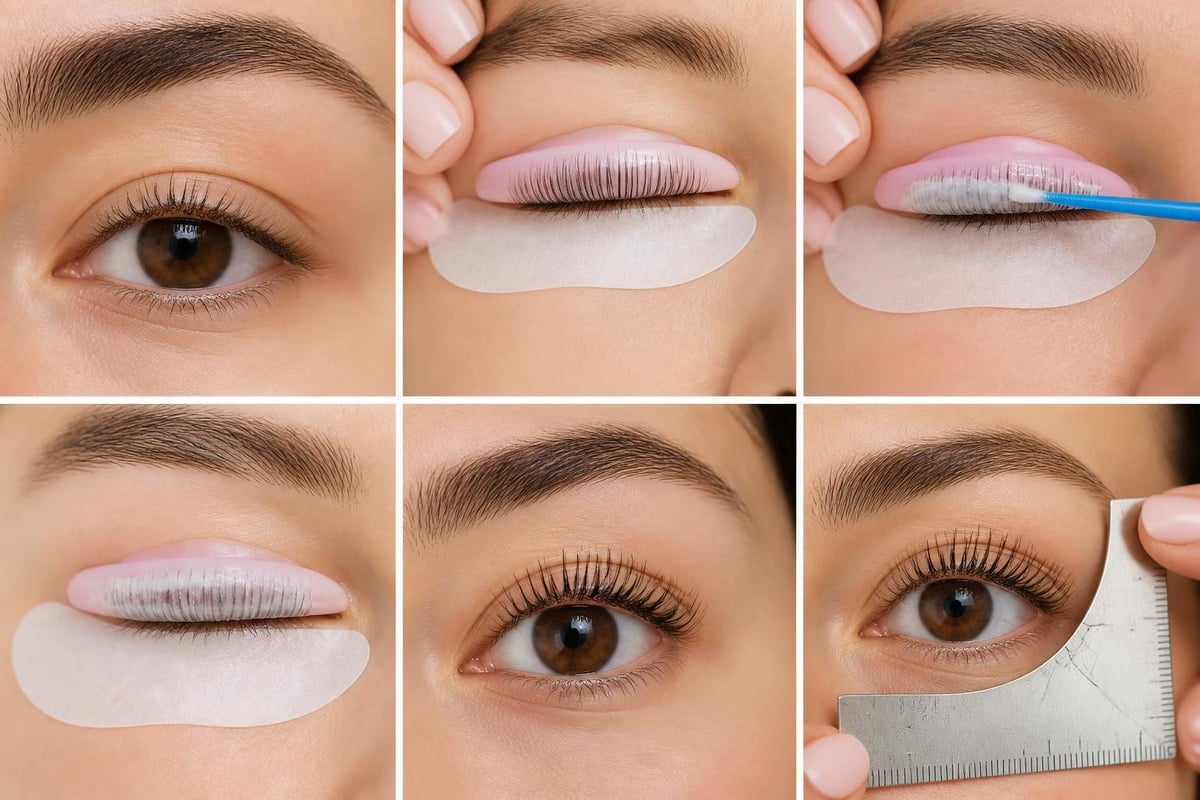
Lash lifts create curl in natural lashes through chemical restructuring, offering an alternative to extensions for clients seeking low-maintenance enhancement. The procedure uses silicone rods in various sizes, with smaller rods producing tighter curls and larger rods creating gentle lifts. Selecting appropriate rod size based on natural lash length and desired curl intensity requires technical knowledge and experience.
The Korean lash lift technique has gained popularity throughout Australian beauty markets, utilizing specialized solutions and application methods that promise longer-lasting results with improved lash health. This approach emphasizes gentle formulations and precise timing, reducing damage while achieving impressive lift and curl that can last 6-8 weeks.
Processing times vary based on natural lash texture, with coarse lashes requiring longer exposure to lifting solutions than fine lashes. Over-processing risks lash damage and excessive curl that appears unnatural, while under-processing results in minimal lift that disappoints clients. Professional technicians conduct strand tests and monitor processing carefully, adjusting timing based on individual lash response.
Manual Lash Curling: Tools, Techniques, and Safety
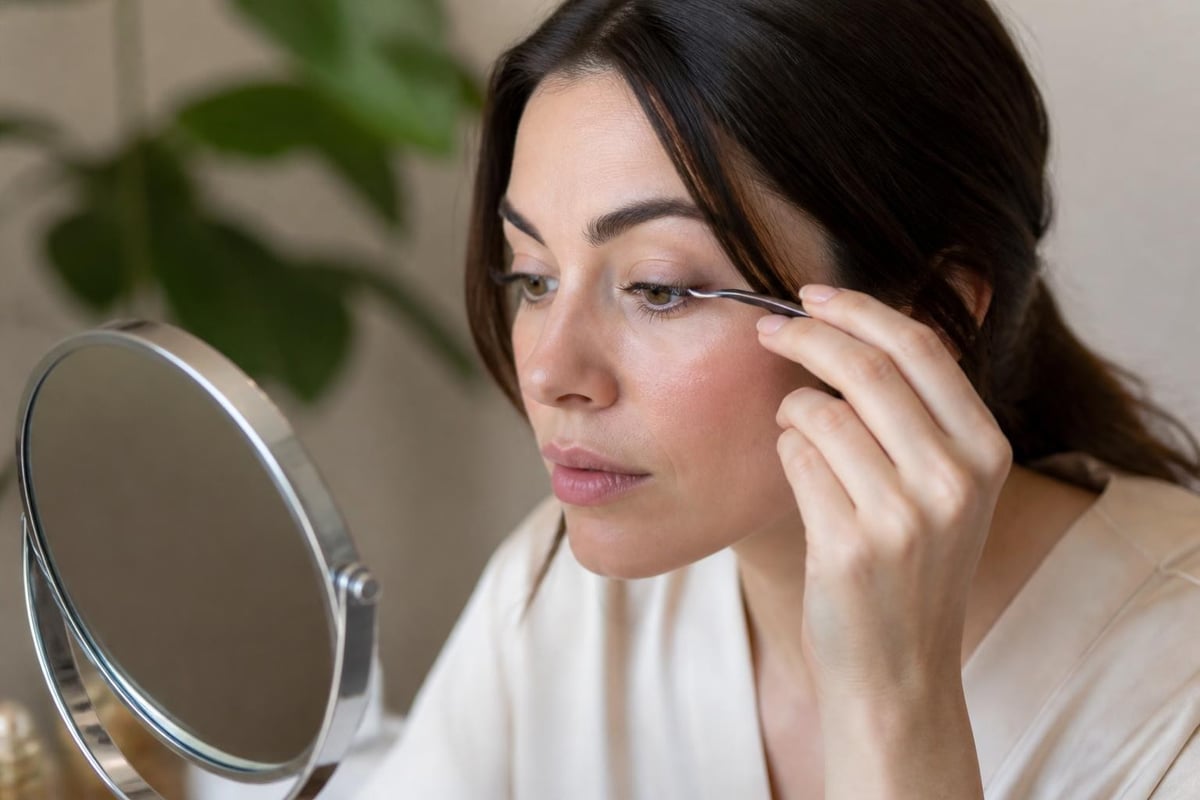
Despite professional treatments, many individuals rely on manual eyelash curlers for daily enhancement. Selecting quality curlers with appropriate pad width and curve angle ensures effective curling without pinching or breaking lashes. Metal curlers provide durability and precise control, while heated curlers offer enhanced curl retention through gentle warmth application.
Proper curling technique begins with positioning the curler as close to the lash base as possible without pinching skin. Applying gentle, sustained pressure for 10-15 seconds creates curl without crimping. For enhanced results, many beauty enthusiasts employ the three-section method for curling short lashes: curling at the base, mid-length, and tips to create a gradual, natural-looking curve rather than a sharp angle.
Safety Considerations for Daily Curling
Daily eyelash curling poses risks that users should understand and mitigate. Excessive curling can damage lashes, causing breakage, weakening follicles, and potentially leading to lash loss. Always curl before applying mascara, as curling after mascara application increases breakage risk significantly.
- Replace curler pads every 3 months to maintain effectiveness
- Clean curlers weekly to prevent bacterial buildup
- Never pull or tug while curling
- Avoid excessive pressure that creates crimp lines
- Consider professional treatments as healthier alternatives
Those experiencing persistent lash damage from daily curling might explore professional services that provide longer-lasting curl without daily manipulation. Lash lifts and extensions eliminate the need for mechanical curling, reducing daily stress on natural lashes while maintaining beautiful curl.
Advanced Curl Customization and Mixing Techniques
Professional lash technicians often employ curl mixing strategies to create customized looks that address specific client needs and preferences. Combining different curls within a single set enables precise control over the final appearance, addressing asymmetries, enhancing particular features, or creating trendy styles like wispy or mega volume sets with varied texture.
Bottom lash curl selection requires different considerations than top lashes. Most technicians prefer J or B curl for lower lashes, as excessive curl on bottom lashes can appear unnatural or create a doll-like effect. The subtle enhancement from minimal curl on bottom lashes creates definition without competing with the dramatic curl of top lashes.
| Curl Mix Strategy | Application | Best For | Visual Effect |
|---|---|---|---|
| C inner + D outer | Cat-eye effect | Almond, round eyes | Elongating, lifting |
| L inner + C middle + D outer | Hooded eyes | Deep-set, monolid | Maximum visibility |
| B throughout + D accent | Natural with pop | All eye shapes | Textured, wispy |
| C base + longer D tips | Mega volume | Special occasions | Dramatic dimension |
Clients across Sydney's diverse suburbs from Sutherland Shire to the Northern Beaches can benefit from these customization techniques, which account for individual features, preferences, and lifestyle requirements. For those interested in exploring professional lash services tailored to their unique needs, booking a consultation provides personalized assessment and recommendation.
Curl Retention Factors and Longevity Optimization
Multiple factors influence how long lash curl maintains its intended shape, whether from extensions, lifts, or manual curling. Natural lash health serves as the foundation for curl retention; damaged, brittle lashes cannot hold curl effectively regardless of application quality. Strengthening treatments containing biotin, peptides, and conditioning agents improve natural lash resilience and curl-holding capacity.
Adhesive quality and application technique directly impact extension curl retention. Premium adhesives formulated for Australian climate conditions bond more effectively and resist environmental factors that can weaken curl over time. Proper isolation prevents lashes from sticking together, which can pull extensions in unintended directions and compromise curl appearance.
Aftercare Practices for Maximum Curl Retention
- Avoid oil-based products near the lash line, as oils break down adhesives
- Sleep on your back when possible to prevent crushing lashes against pillows
- Brush lashes daily with a clean spoolie to maintain separation and curl direction
- Avoid excessive heat from hair dryers, ovens, or saunas
- Use recommended cleansers specifically formulated for lash extensions
Environmental factors throughout Sydney's varied microclimates affect curl retention differently. Coastal humidity in areas like Coogee or Cronulla can impact adhesive performance, while drier conditions in western suburbs may require different maintenance approaches. Professional technicians account for these variables when selecting products and educating clients on optimal aftercare for their specific location and lifestyle.
Product Selection for Optimal Lash Curl Results
Quality products make substantial differences in lash curl outcomes, durability, and lash health. For extensions, premium synthetic fibers maintain curl integrity better than lower-quality alternatives, resisting relaxation even with extended wear. Korean PBT (polybutylene terephthalate) and Japanese fibers represent gold standards in the industry, offering superior curl retention and natural appearance.
Lash lift solutions vary significantly in formulation quality, with professional-grade products providing more consistent results and reduced damage compared to consumer-grade alternatives. Cysteamine-based solutions have largely replaced traditional thioglycolic acid formulas, offering effective restructuring with gentler impact on lash proteins. Setting solutions lock in the created curl, with quality products ensuring results last the full growth cycle.
For manual curling, curler design and construction affect both comfort and results. Curlers with silicone pads provide cushioning that protects lashes during crimping, while the curve radius should match natural eye shape for comfortable, effective application. Heated curlers require temperature regulation features to prevent lash damage from excessive heat.
Training and Certification for Lash Curl Professionals
Professional competency in lash curl application requires comprehensive training covering anatomy, curl theory, application techniques, and safety protocols. Certification programs throughout Australia, including those available through established beauty education providers, ensure technicians understand the science behind curl creation and possess practical skills for diverse client needs.
Continuing education keeps professionals current with emerging techniques, products, and trends in the evolving lash industry. Advanced courses cover specialized topics like mega volume application with varied curls, correction techniques for problematic previous work, and customization strategies for unique eye shapes or client requirements common in multicultural communities across Sydney's various councils and suburbs.
Many successful lash technicians operating from Bankstown to Bondi Junction began their careers through structured training programs that emphasized both theoretical knowledge and hands-on practice. For those interested in exploring beauty services or learning more about professional treatments, Bonna Beauty’s locations throughout Sydney offer access to experienced technicians who understand the nuances of lash curl selection and application.
Troubleshooting Common Lash Curl Challenges
Even experienced technicians encounter curl-related challenges requiring problem-solving skills and technical knowledge. Curl drop, where extensions lose their curl over time, often results from improper attachment points, excessive adhesive, or natural lash weakness. Addressing this issue requires identifying the root cause and adjusting technique or product selection accordingly.
Inconsistent curl appearance across the lash line typically stems from poor isolation, varying natural lash directions, or inappropriate curl selection for specific eye areas. Mapping adjustments and careful attention to natural lash growth patterns help create cohesive, uniform results that maintain their appearance throughout the wear period.
Common Issues and Solutions
- Lashes pointing downward: Increase curl strength or adjust attachment angle
- Unnatural crimped appearance: Use gentler pressure and larger rod sizes for lifts
- Rapid curl loss: Strengthen natural lashes and improve aftercare education
- Asymmetrical results: Conduct thorough consultation and precise mapping
- Client discomfort: Ensure proper eye pad placement and gentle application
For individuals experiencing unsatisfactory results from previous lash treatments, professional correction requires skill and patience. Reading about proper techniques and industry standards helps clients understand what quality work should entail and make informed decisions when selecting service providers.
Emerging Trends in Lash Curl Innovation
The lash industry continually evolves, with innovations in curl creation, maintenance, and customization emerging regularly. Keratin-infused lash lifts combine curl creation with strengthening treatments, improving natural lash health while achieving beautiful lift. These dual-purpose treatments appeal to health-conscious clients throughout Australian metropolitan areas who prioritize lash wellness alongside aesthetic enhancement.
Hybrid curl techniques that combine manual curling with semi-permanent treatments offer flexibility for clients with specific needs or preferences. Some technicians employ heated tools during extension application to customize curl beyond standard classifications, creating truly bespoke results that address individual requirements with precision.
Technological advancement has introduced smart heated curlers with precise temperature control and automatic shut-off features, reducing user error and damage risk. These tools appeal to busy professionals across Sydney's business districts who want reliable, quick results without compromising lash health. The integration of LED indicators and ergonomic design improvements makes manual curling more accessible and effective for users at all skill levels.
Mastering lash curl selection and application transforms beauty outcomes, creating eye-opening results that enhance natural features while reflecting personal style preferences. Understanding the relationship between curl types, eye shapes, and application techniques empowers both professionals and clients to make informed decisions that deliver satisfaction and longevity. Whether you're seeking dramatic glamour or subtle enhancement, professional expertise ensures optimal results tailored to your unique features and lifestyle. Bonna Beauty locations across Sydney offer comprehensive lash services from experienced technicians who understand the artistry and science of lash curl, using premium products and advanced techniques to create beautiful, lasting results that exceed expectations.